Compressed air is a vital part of many industrial and commercial processes. However, maintaining the efficiency and longevity of the systems that deliver it is just as important. One key component in ensuring clean and dry compressed air is the refrigerated compressed air dryer. Over time, these dryers may require maintenance to function properly. Proper care will not only extend the life of the unit but also help maintain the quality of the compressed air, preventing costly breakdowns and inefficiencies.
In this article, we will explore the importance of maintaining your refrigerated compressed air dryer and provide actionable tips to ensure optimal performance.
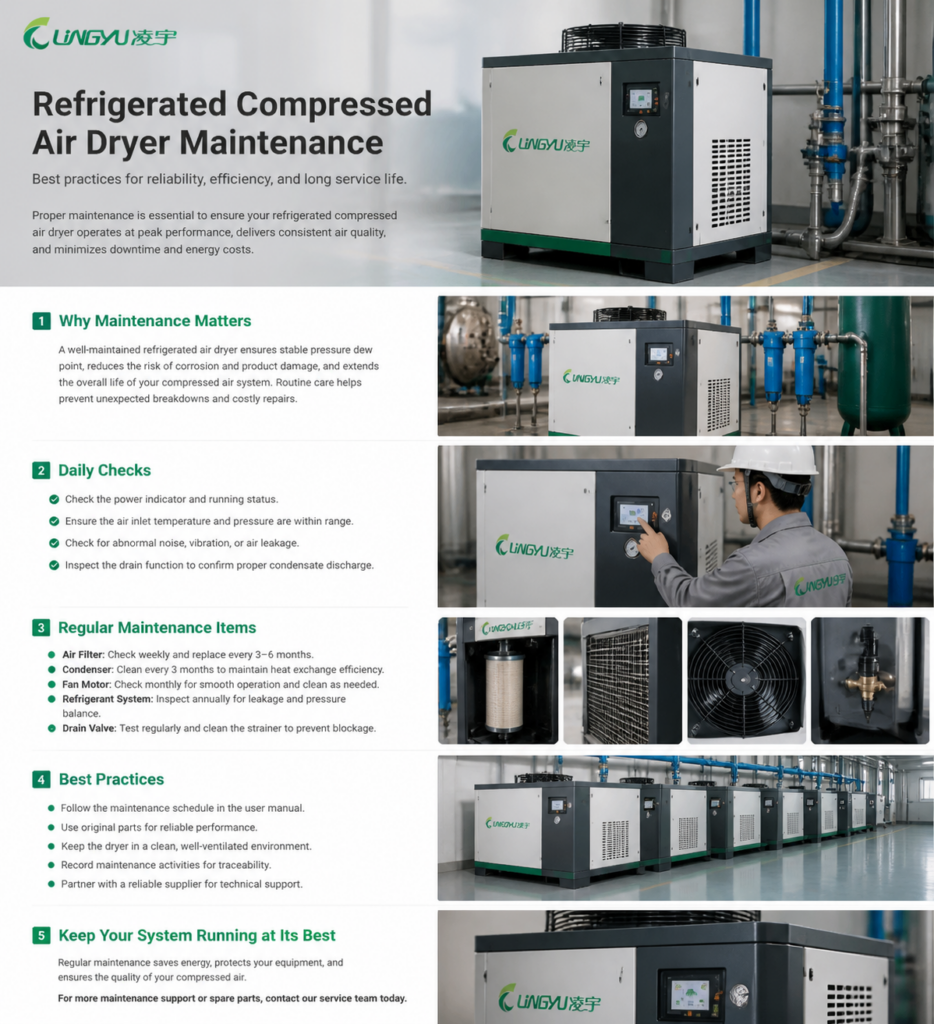
What is a Refrigerated Compressed Air Dryer?
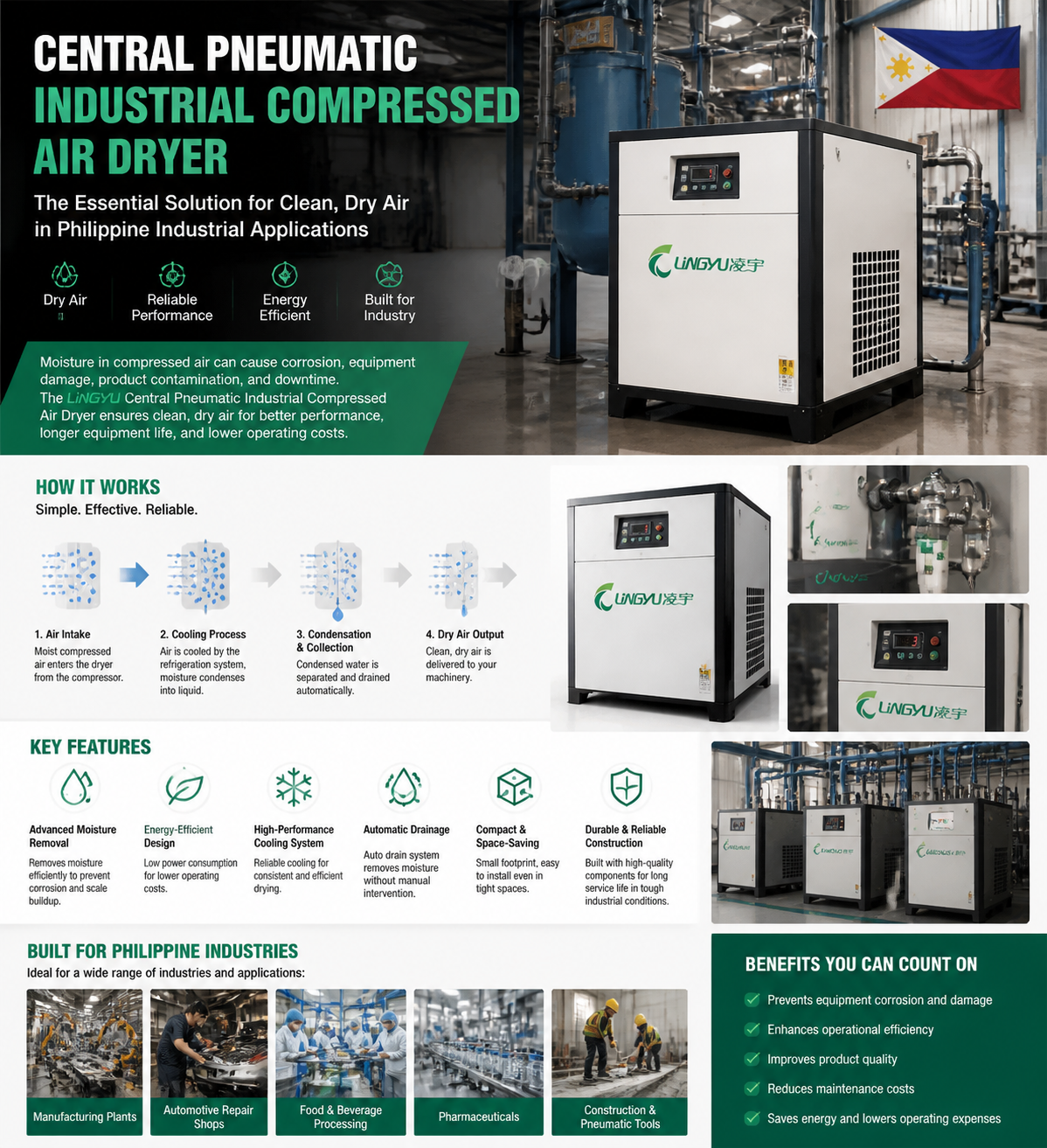
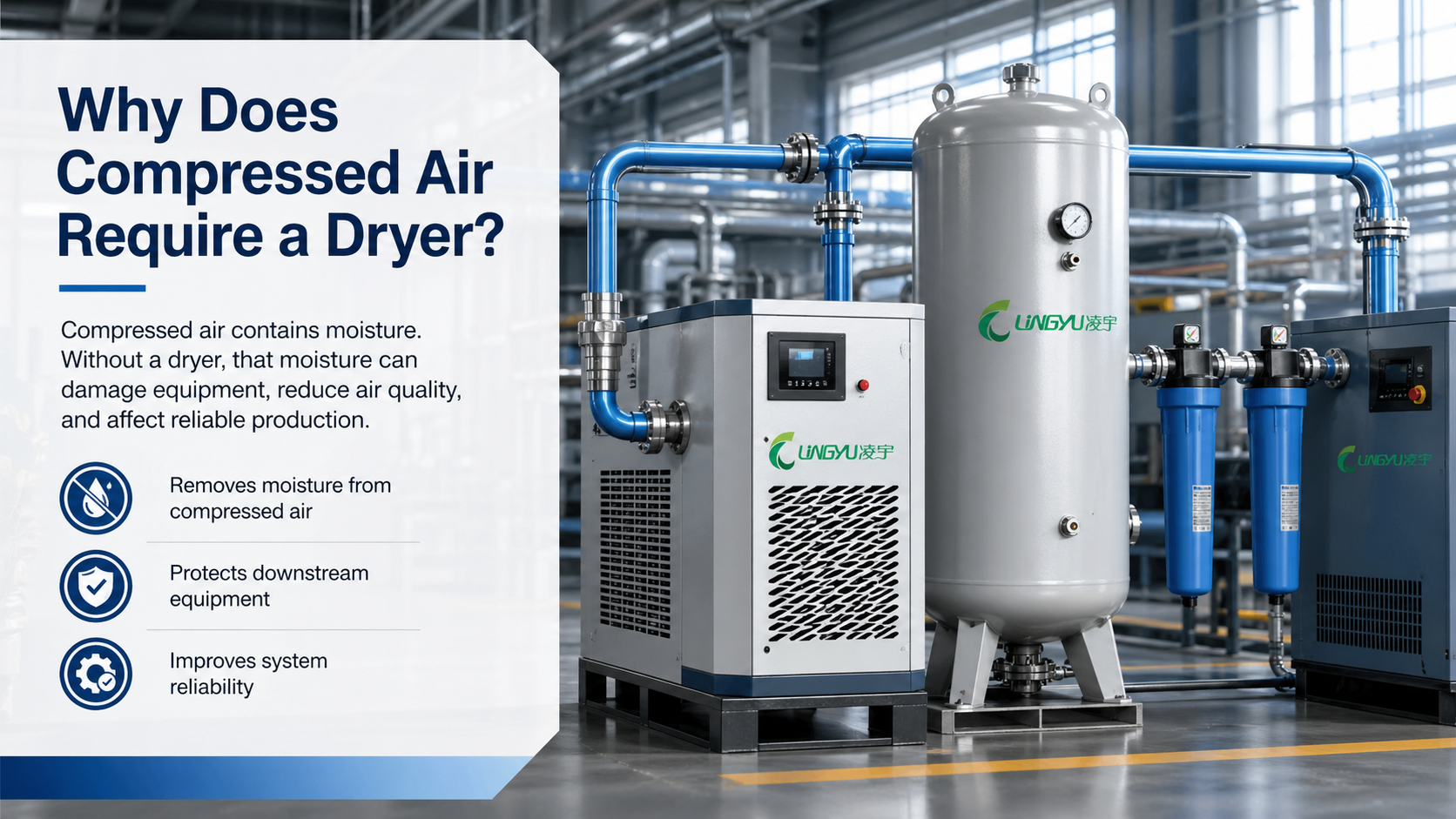
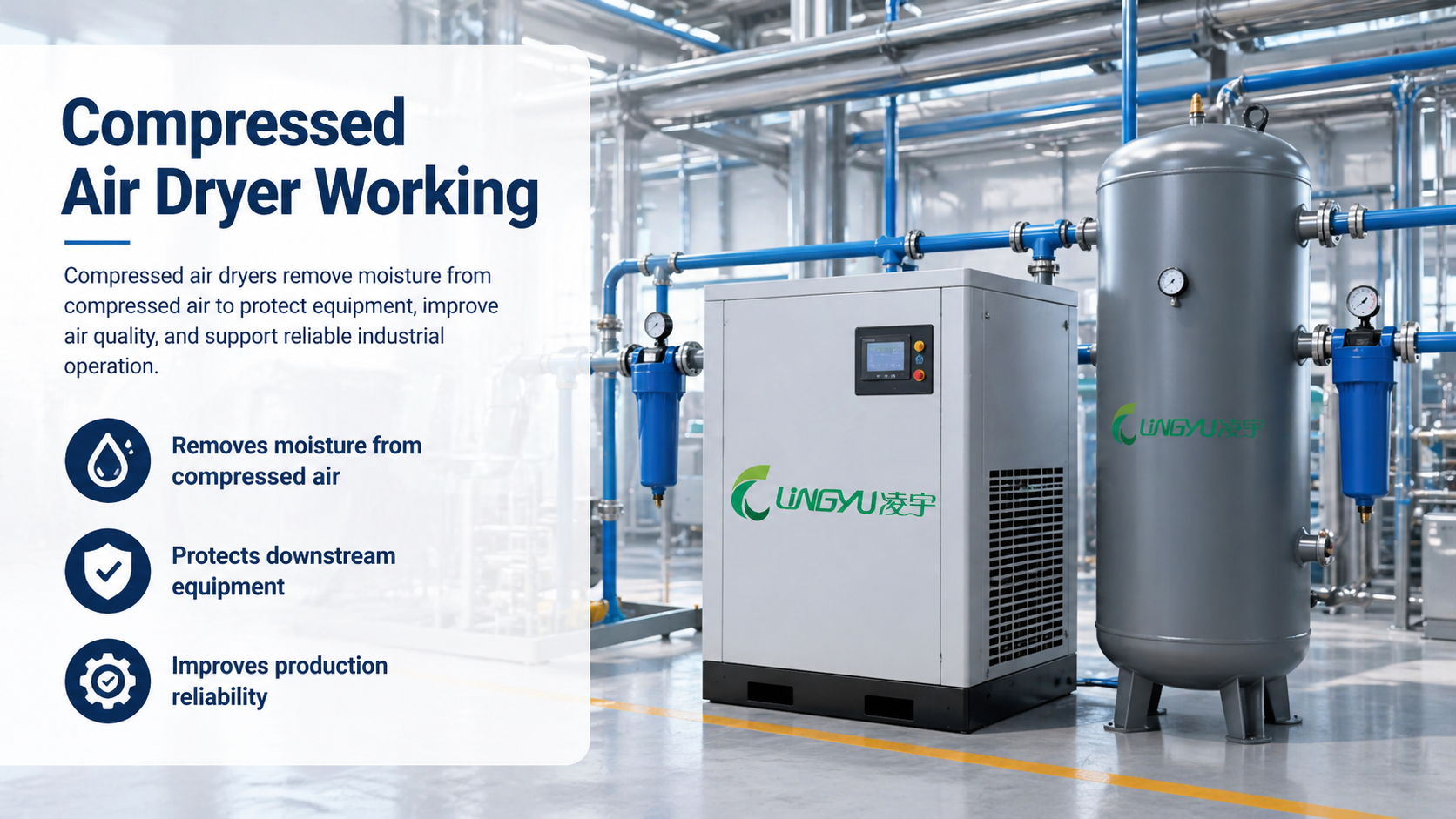
A refrigerated compressed air dryer works by cooling the compressed air to a temperature at which moisture condenses. The moisture is then removed from the air, preventing it from entering downstream equipment and causing damage. These dryers are widely used in industries like manufacturing, pharmaceuticals, and food processing, where dry air is crucial for quality control and equipment reliability.
Why is Maintenance Important?
Like any other mechanical system, a refrigerated compressed air dryer requires regular maintenance to keep it functioning at peak efficiency. Without proper maintenance, several issues can arise:
- Reduced efficiency: Over time, components like the heat exchangers and filters can accumulate dirt and contaminants, reducing the dryer’s ability to efficiently remove moisture from the compressed air.
- Increased energy consumption: If the system is not maintained, it may need to work harder to produce the same amount of dry air, which can lead to higher energy costs.
- Shortened lifespan: Neglecting maintenance can lead to premature wear and tear on key components, resulting in costly repairs or even replacement.
- Poor air quality: A poorly maintained dryer may not adequately remove moisture from the air, leading to condensation that can damage equipment, create rust, or disrupt production.
Key Maintenance Tasks for Refrigerated Compressed Air Dryers
- Inspect and Clean the Air Filters
Air filters are the first line of defense against contaminants. Over time, these filters can become clogged with dust, dirt, and other particles, reducing airflow and overall efficiency. Regularly check and clean or replace the air filters according to the manufacturer’s recommendations. - Check for Refrigerant Leaks
Refrigerant is crucial for the cooling process in your air dryer. If there is a refrigerant leak, the dryer will not be able to cool the compressed air effectively, leading to excess moisture. Inspect the refrigerant lines and connections for signs of leaks, and repair them promptly. - Inspect and Clean the Heat Exchanger
The heat exchanger is responsible for cooling the compressed air and removing moisture. If it becomes dirty or clogged, it can significantly reduce the dryer’s performance. Regularly clean the heat exchanger to ensure it operates at maximum efficiency. This can usually be done by removing dust and dirt buildup on the coils. - Check Condensate Drains and Traps
A key function of the dryer is to remove moisture from the compressed air. The condensate drains are responsible for carrying away this water. Over time, these drains can become clogged, leading to water buildup inside the dryer. Make sure to regularly check and clean the condensate drains to prevent any blockages. - Monitor the Dryer’s Operating Temperature
The temperature of the dryer is crucial to its performance. If the dryer is running too hot, it can overheat and become less efficient. On the other hand, if the temperature is too low, it may freeze and cause damage. Monitor the operating temperature to ensure it stays within the recommended range specified by the manufacturer. - Inspect the Condenser
The condenser is responsible for releasing the heat from the refrigerant. A dirty condenser can lead to overheating and inefficiency. Check the condenser regularly for any dust or dirt buildup and clean it as needed to maintain optimal performance. - Replace Desiccant and Filters (if applicable)
Some refrigerated dryers also incorporate a desiccant, which helps further reduce moisture content. If your unit uses desiccants, these will need to be replaced periodically. Similarly, any additional filters in the system should be checked and replaced if they show signs of wear or clogging.
Scheduled Maintenance vs. Emergency Repairs
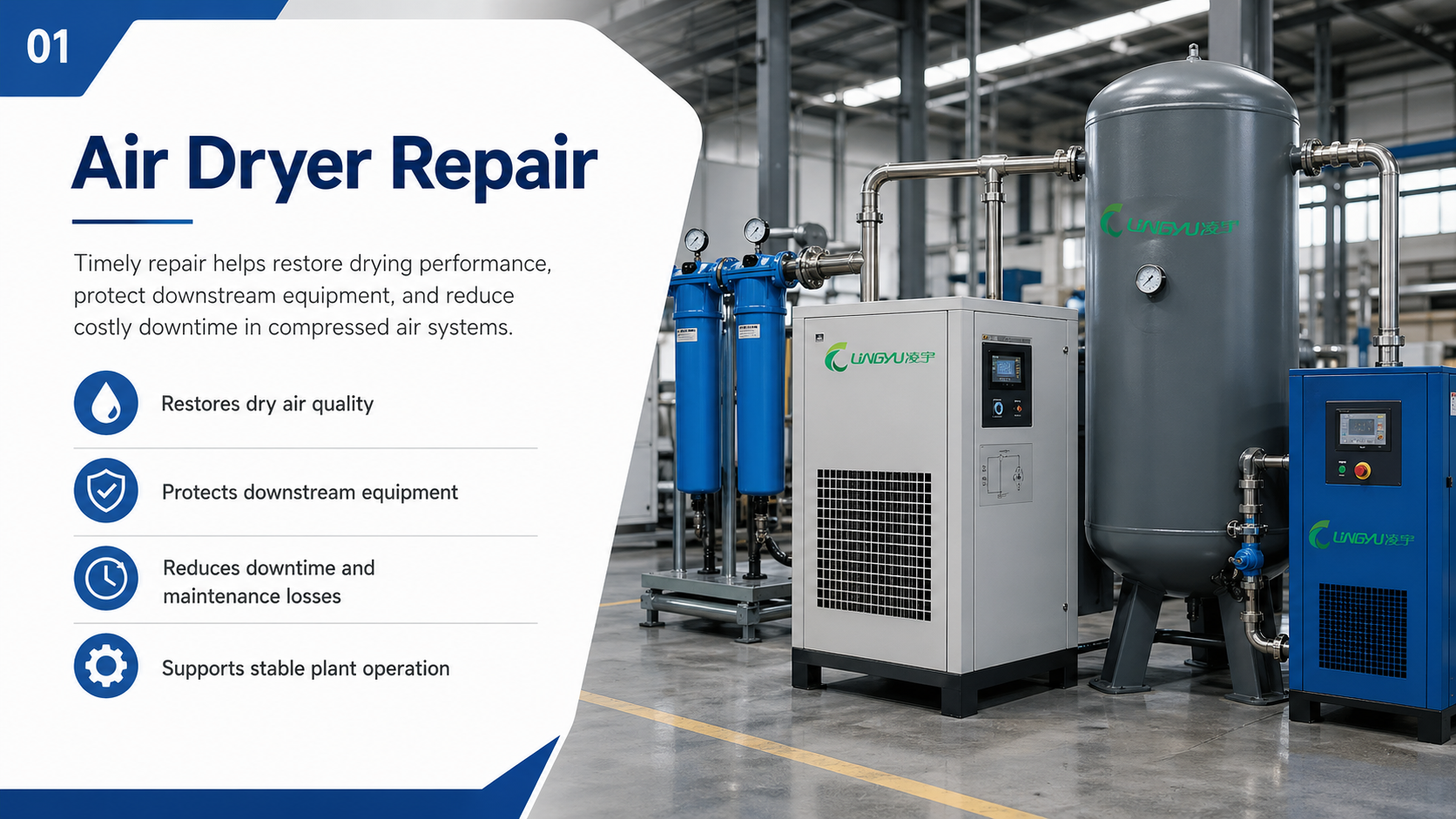
Scheduled maintenance is always preferable to emergency repairs. It is much more cost-effective and less disruptive to your operations. You should establish a regular maintenance schedule based on the manufacturer’s guidelines. In addition, keep an eye out for any warning signs of malfunction, such as unusual noises, a decrease in airflow, or an increase in energy consumption.
Troubleshooting Common Issues
- Excess moisture in the air: If you notice excess moisture in the compressed air, check for issues such as clogged filters, dirty heat exchangers, or a malfunctioning refrigerant system.
- The dryer is not cooling effectively: This could be caused by a refrigerant leak, a dirty condenser, or a malfunctioning compressor.
- Unusual noises: Odd sounds could indicate mechanical failure, such as worn-out bearings or a malfunctioning fan.
Conclusion
Maintaining a refrigerated compressed air dryer is essential for ensuring consistent performance and extending the life of the unit. Regular inspections, cleaning, and part replacements will help prevent costly repairs and downtime. By following the guidelines provided in this article, you can keep your system running efficiently and ensure high-quality compressed air for your applications.
Remember, when in doubt, always consult the user manual or a professional technician to address more complex maintenance tasks.