Compressed air is the lifeblood of modern industrial operations, powering everything from pneumatic tools to automated manufacturing lines. However, compressed air naturally contains moisture and contaminants, which can cause corrosion, reduced efficiency, equipment failure, and product quality issues. A commercial air dryer is essential to maintain system reliability, protect equipment, and optimize operational performance.
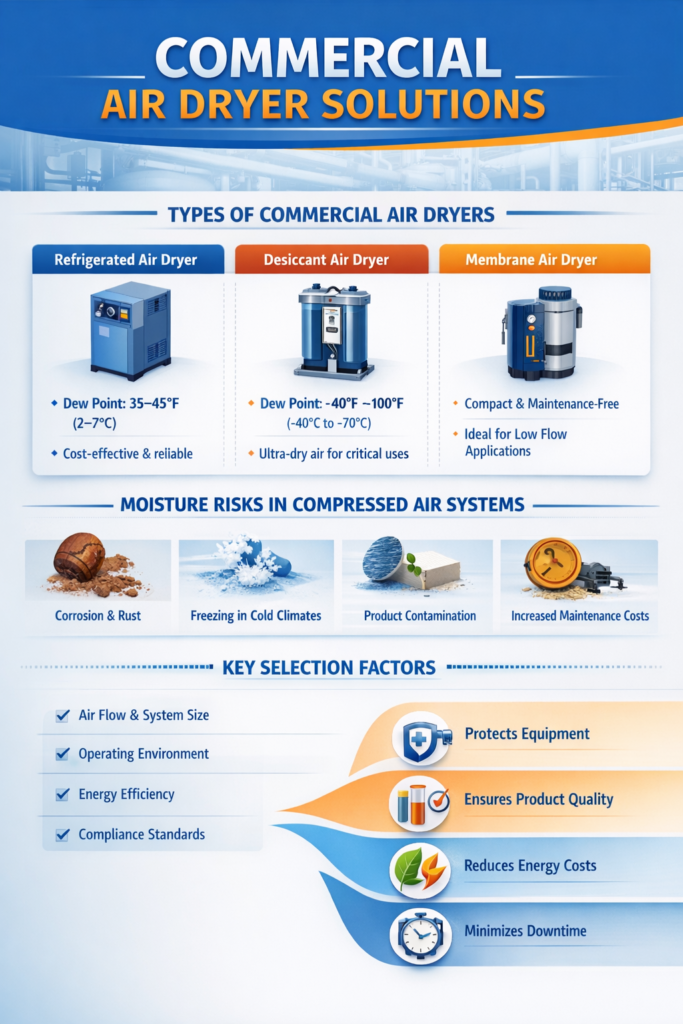
What Is a Commercial Air Dryer?
A commercial air dryer is a specialized device that removes water vapor, oil, and other impurities from compressed air. Unlike small-scale industrial dryers, commercial units are designed for high-capacity continuous operation, making them ideal for factories, warehouses, and large facilities. By delivering clean, dry air, these dryers extend equipment life, reduce maintenance costs, and improve the consistency of production processes.
How Moisture Impacts Compressed Air Systems
Moisture in compressed air can create several critical problems in commercial settings:
Corrosion and Rust: Moisture reacts with metal surfaces inside pipes, valves, and air tools, leading to premature failure.
Freezing in Cold Climates: Water can freeze in air lines during low temperatures, potentially blocking air flow and causing equipment malfunction.
Contamination of Products: In industries like food, beverage, pharmaceuticals, or electronics, moisture can directly affect product quality.
Increased Maintenance Costs: Moisture-related issues accelerate wear and tear, leading to frequent repairs and downtime.
By eliminating these risks, a commercial air dryer ensures reliable system performance and consistent product quality.
Types of Commercial Air Dryers
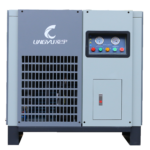
1. Refrigerated Air Dryers
Refrigerated dryers cool compressed air to condense moisture, which is then drained. They typically achieve a pressure dew point of 2–7°C (35–45°F).
Advantages:
Energy-efficient for most commercial applications
Low maintenance
Cost-effective for high-volume operations
Best for: Manufacturing, automotive, packaging, and general commercial use
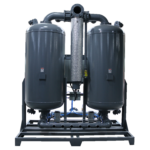
2. Desiccant Air Dryers
Desiccant dryers use moisture-absorbing materials such as silica gel or activated alumina to achieve extremely low dew points, sometimes below -40°C (-40°F).
Advantages:
Ultra-dry air for critical applications
Ideal for low-temperature or high-humidity environments
Can meet stringent industrial or regulatory air quality standards
Best for: Food and beverage, pharmaceuticals, electronics, and laboratories
3. Membrane Air Dryers
Membrane dryers use semi-permeable hollow fibers to separate moisture from compressed air. They are compact, lightweight, and require minimal maintenance.
Advantages:
No moving parts, reducing maintenance
Compact and modular for point-of-use installations
Energy-efficient for low-flow applications
Best for: Sensitive instruments, laboratory equipment, and small commercial systems
Advanced Considerations When Choosing a Commercial Air Dryer
Air Flow and System Size:
Match the dryer capacity to the peak flow requirements of your compressed air system to avoid overloading.Operating Environment:
High ambient temperatures, humidity, or outdoor installations may require specialized dryer designs, such as heated desiccant systems.Energy Efficiency:
Advanced commercial dryers offer energy-saving features such as heatless purge optimization, variable flow regeneration, or compressed-air-free purge cycles.Maintenance and Lifecycle Costs:
Evaluate accessibility for filter changes, desiccant replacement, and overall ease of maintenance to minimize downtime.Compliance and Certification:
For industries with strict air quality regulations, ensure the dryer meets ISO 8573-1, FDA, or other relevant standards.
Benefits of Installing a High-Quality Commercial Air Dryer
Enhanced Equipment Life: Prevents corrosion and reduces wear on air tools and machinery.
Consistent Production Quality: Removes moisture that can compromise product integrity.
Reduced Energy and Operational Costs: Efficient designs lower compressed air waste.
Regulatory Compliance: Supports industry standards for air quality.
Minimized Downtime: Reliable dry air reduces unplanned maintenance and system failures.
Conclusion
A commercial air dryer is more than an accessory—it is a critical component of any high-performance compressed air system. By understanding the types, features, and technical requirements, businesses can select a dryer that meets their operational demands, protects equipment, and ensures consistent production quality. Investing in a high-quality commercial air dryer is a long-term decision that delivers measurable improvements in efficiency, reliability, and cost savings.